

South Suburban Branch | Temporomandibular Disorders
South Suburban Branch | Temporomandibular Disorders
Join the South Suburban Branch at Cooper’s Hawk in Orland Park on November 10, 2026 from 6pm-9pm for the lecture “Temporomandibular Disorders (TMD): Diagnosis, Management, and Clinical Considerations” presented by Biraj M. Shah, DDS, MD, FACS.
The South Suburban Branch welcomes Southwest Branch members to their 2026-2027 Branch Season!
Course Description:This presentation provides an overview of temporomandibular disorders, including how to recognize common signs and symptoms, approach diagnosis, and review current management strategies and clinical considerations for patient care.
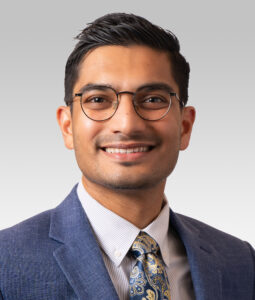 Speaker Bio: Biraj Shah grew up in Orange County, California. He has a Bachelor of Science in Biochemistry and Cell Biology from the University of California, San Diego. He received both his Medical and Dental degrees from the University of Maryland School of Medicine and School of Dentistry, respectively. He completed his Oral & Maxillofacial Surgical training at the University of Maryland Medical Center / R Adams Cowley Shock Trauma Center, which is recognized as a center of excellence in the specialty.
He is a full-time faculty member and the program director at Cook County Health within the Division of Oral and Maxillofacial Surgery. He is also a part-time faculty member at Northwestern Memorial Hospital and is a Clinical Assistant Professor at the Northwestern Feinberg School of Medicine. His clinical focus is temporomandibular joint (TMJ) disorder and TMJ surgery. He performs TMJ surgery, orthognathic surgery, surgical management of benign tumors of the maxillofacial bones, implant surgery, and jaw reconstruction surgery.
Learning Objectives:
1. Review temporomandibular joint (TMJ) anatomy and its relevance to TMD presentation.
2. Distinguish between muscular (myofascial) and intra-articular pain and dysfunction.
3. Select appropriate first-line, conservative management strategies for TMD patients in a general dental practice (patient education, behavioral modification, physical therapy, occlusal splint therapy, pharmacologic options).
4. Recognize red-flag findings that warrant imaging or specialist referral (e.g., progressive malocclusion, significant restricted opening, suspected ankylosis, or signs of inflammatory/autoimmune joint disease).
5. Modify in-office care and treatment planning for patients with chronic TMD.
CE Hours: 2
